CAREER
What’s your Weakness?
March 5, 2019 • 6 Min Read
What’s your Weakness?

In last few days, I faced so many interviews and one common question everywhere “What’s your weakness?”. I saw people get stuck here, as they are afraid to let the world know about their weaknesses. Is this really a matter of being afraid if other people know about my real weaknesses?
Here I’m sharing one of my favourite quote:
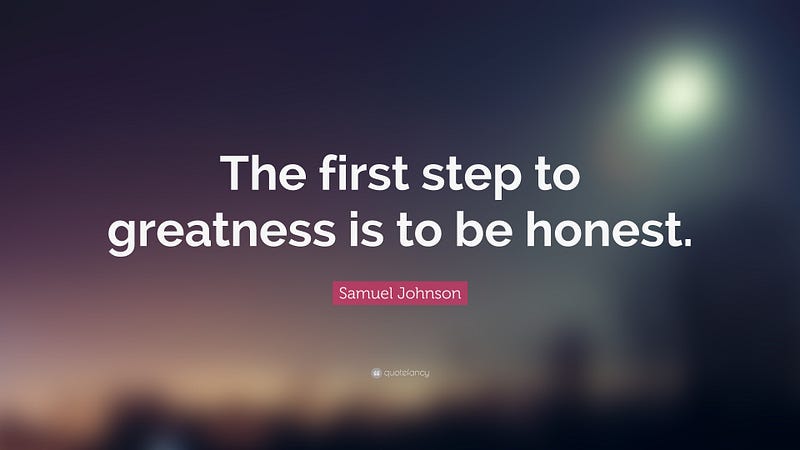
Image Source: QuoteFancy
Though honesty or telling the truth thrives in grade school platitudes, it seems odder the mature we get. But the failure in honesty — let’s name this dishonesty — isn’t essentially distinctive. Dishonesty can be trained. In my experiences, I saw that, of all offenders, college career centres are exceptional traffickers of such miseducation. In the process, they’re aching their smartest students’ chances of making it in the world of start-up’s by conclusive them to give dishonest answers to tough interview questions.
I work for a start-up, and my job is to build a team of the right people in the right place. Throughout my earlier career in other start-up companies, honesty and being self-critical have always been obvious qualities to look for in candidates, but it wasn’t until I started with my current workplace that I realized their special implication for start-up.
After working for few months, I realised that this start-up idea sucked. Now you can ask me why? Well if I summary the scenario, in a start-up, it’s much more easy to be a “team player” than “the bad guy”. The real hard work in a start-up, however, is being able to openly admit that the existing tactic is just not working — no matter how difficult it is, or how much has been spent in getting to that point.
Educational institutions are now-a-days guiding students on basic items like resumes, cover letters, how to dress, and how to eat, but no advice or bad advice on how to effectively answer important questions, like Personal Weakness analysis, the importance of truthfulness during the interview and the honesty in job life.
What’s your greatest weakness?

Even if you’ve only had just one professional interview in your life, then you’ve possibly still been asked some sort of this question. Do you remember how you answered that? Did you say that you work too hard? That you have perfectionist tendencies? Or that you’re too passionate? Be truthful.
Nobody is perfect, after all, including the person on the other side of the table who’s asking you, and having to describe our oversights is nobody’s idea of fun. Yet, if you assume this query is coming, thinking up a good answer ahead of time can yield some interesting insights — not just for your interviewer, but for you.
You may think that the recruiters have your CV and your references to judge you by. Your entire work history is supposed to speak to them and they are supposed to walk in the shoes of detectives, learn everything about you and then talk to you as the last step. But that’s an incorrect insight. Recruiters and hiring managers are pretty much forced to take you on your words for most of the info. you exchanged during your interview session.
But, if you are not in the mood to be honest in your interview session, this question will scare you, and you will make a big pause that will break the entire flow of that conversation session. As a result, you will not be able to answer in any way that makes proper sense.
Only if you are eager to be open and to be honest, then you will have no problem sharing your own weaknesses. Only that way you can establish a connection of trust.
So this way I think answering this question will be perfect. First, think about something that isn’t your solid outfit, whether it’s giving to others or attention to detail, but think about it back in the earlier. Show how you’ve taken steps to overcome it, or worked hard on getting better, and mention that you’re still working and working at becoming even better at this skill set. Example-
“I’m naturally shy. From high school and into my early professional interactions, it prevented me from speaking up. After being a part of a workgroup that didn’t meet our strategic goals two quarters in a row, I knew I owed it to my team and myself to confidently share my ideas. I joined an improv acting class — it’s fun and has really helped me overcome my shyness. I learned practical skills around leading discussions and sharing diverse perspectives. Now, in group settings, I always start conversations with the quieter folks. I know exactly how they feel, and people can be amazing once they start talking.”
Some common Weaknesses
- Disorganized
- Self-Critical/Sensitive
- Shy/Not adept at public speaking
- Competitive (Note: Both strength and weakness)
- Limited experience in a non-essential skill (especially if obvious on your resume)
- Not skilled at delegating tasks
- Take on too much responsibility
- Not detail-oriented/Too detail-oriented
- Not comfortable taking risks
- Too focused/Lack of focus
Why can’t you say ‘I am lazy’ as your greatest weakness? Because that is an accurately bad quality in an employee. You cannot put it in a positive light, it will directly make them dislike you.
Why can’t you say ‘I work too hard’ as your greatest weakness? Because it is such a formula of a positive quality that you will come across as untruthful and unaware of the actual significances overworking can cause.
And you cannot stay silent because the recruiter will either think you cannot recognize your weaknesses or that you have so many that you do not want to share.
“It’s fine to know a lot about the company, but obviously the interviewer already knows a lot more about that than you do. He or she wants to know who you are.
Don’t be an ‘A’ student about the company and flunk knowing you.”
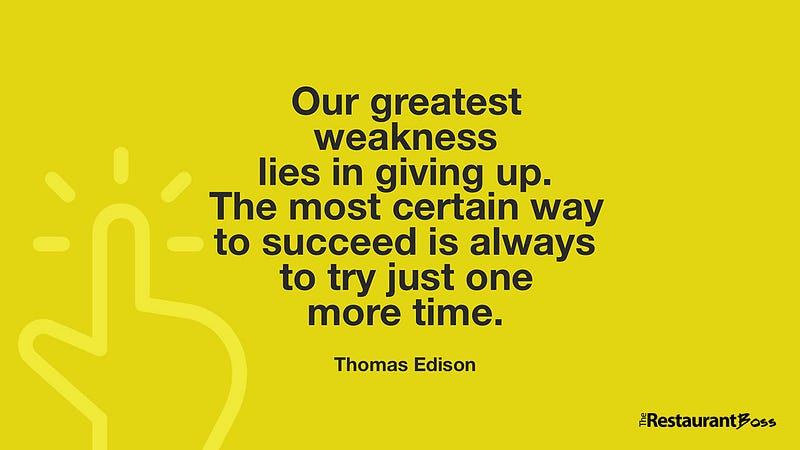
A new job is a chance for a new jump. Maybe that is why you hate talking about your weaknesses on your first interview. However, being illegitimate is not a risk you should be willing to take either. Taking the chance and answering to ‘the weaknesses question’ right will show you are ready, and you are open to work for development.
Trust your recruiter. They have more information than you. If they know what they are doing, they will come to terms with your weakness as long as you are right for the position. And if you are not, they will not place you there.