EMAIL MARKETING
How to Manage Your Disorganised Staffs
February 7, 2019 • 6 Min Read
How to Manage Your Disorganised Staffs

Photo Source: Forbes
Dealing with disorganized staffs are often a horrible experience for any manager. How can we manage a system which drives us to a better reporting system, when everything is scattered? How can you give the importance of staying on top of meetings, calendars, and emails? Now a major question is, is this even possible to help a person overcome a natural leaning toward disorder?
Experts states, even if you’re not the kind of being with shipshape desk and a well-ordered to-do list, it can be annoying — not to state stress-inducing — to manage somebody who’s disorganized. “You’re unsure if the opposite person has born the ball or maybe if they’re attending to hit the point, and then you will feel anxious,” says Elizabeth Grace.
Now we need to replicate on the size of the difficulty we are confronting.
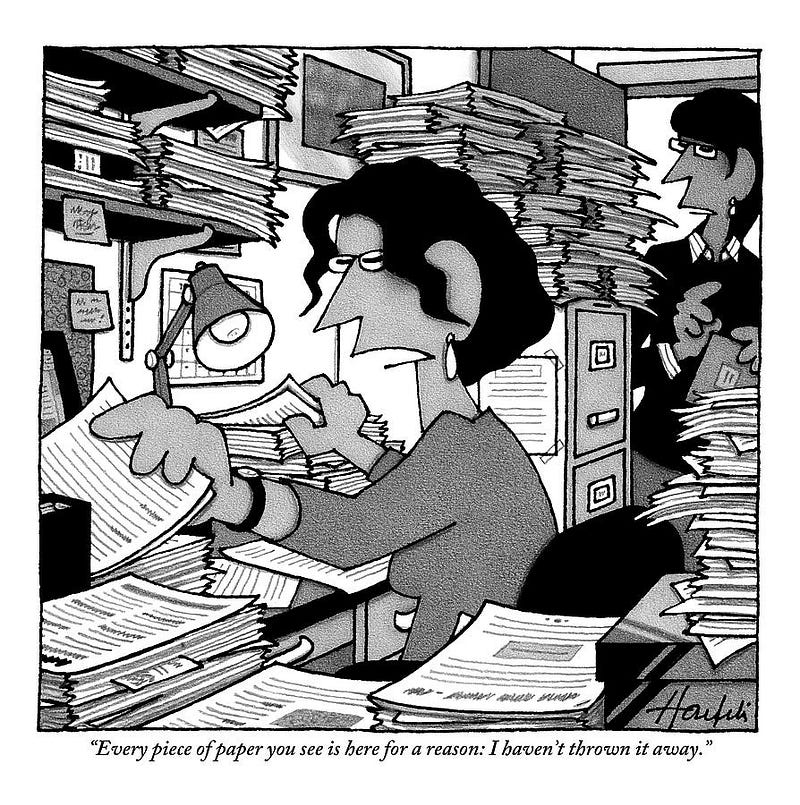
First, “be sure about the reason and result” of your employee’s incompetence, says Hill. Start by observing at how it reveals itself. “Are there piles of paper ubiquitously? Do they miss targets? Are they continuously late to meetings?” Then think about how your employee’s performance “inhibits with the team’s performance.” Ask yourself:
“Is this person’s tactic creating unhelpful results, or is it just a style change?”
If your report is “disorganized but otherwise dependable, you may have to back off,” she says.
Next, think “the origin source that’s motivating this behaviour,” says Hill.
Have your staffs always been this way? Or is this nature new? Be concerned and sympathetic. “You might not know the battles that this person is going through to be beneficial.” It’s probable that your direct report scraps with ADHD or another issue that makes remaining ordered even more stimulating. Activating kind-heartedness will help you approach your staff “without decision and without guilt,” adds Saunders. At the very least, identify that neatness is not everyone’s talent. “It may be cool for you, but it’s very tough for some other people.” A little humbleness goes a long way. Keep in mind that “you’re not picture-perfect either.
If your staff’s movements are negative the team’s productivity, you need to say something, says Saunders. Help your staff grip “the impact and significances” of their disorganization. Maybe because they miss targets, the company ends up going over-budget on an assignment; or maybe it creates a “crux for other team members” down the road; or maybe it “looks bad to clients.” Talk to them about ways to remedy the situation. Say, for example, that you prefer things to be done in advance, while your direct report tends to delay until the last minute. Saunders advises saying something like: “When the deadline is Friday, and you don’t get me your part of the task until 11 PM, I feel worried because I can’t give you comment. So, from now on, I’d like you to send me your piece by Thursday morning so that I can look at it and make changes if needed.”
Remember, as a boss, “there are things you can ask for.”
You can help your direct report by showing them on hand. You might “talk through your techniques” and explain to your staff “how you keep track of your things,” says Saunders. This could contain things like “your project to-do list and your filing, labeling, and review” method. “There may be some simple things that you do that the other person hadn’t thought of,” she says. One thing to bear in mind: “People with untidy desks tend to be more visual” and therefore they “tend to do better with a paper planner or whiteboard, rather than an Excel spreadsheet.” You could make sharing best practices a team effort, but don’t go overboard.
“Sharing is good, but it shouldn’t order. People’s brains are underwired inversely, and there needs to be room for tractability.”
Rather than scolding, Saunders recommends tempting to the self-regard of your disorganized staff. Facilitating them realize how improving in this area will benefit them will sort it more likely they’ll want to make modifications. “Habitually, disorganized people end up counteracting by working extra hours,” she says. “Tell this guy that you don’t want them killing themselves by doing this.” You might also point out the effect their incompetence has on how they are professed by others, says Hill. “Ask them to believe about how they are professed,” she says. Even if your staff is able to get their work done in a messy way, other colleagues may not appreciate the disorder. She suggests using the messy desk as a symbol. Say somewhat like: “When people — colleagues and clients — look at your disordered desk, they might think you are overawed. It’s not in your best interest to have them see you this way.”
One of the most usual selves of disorganized staffs are an incapability to appropriately allot their time to specific tasks, says Hill.
“They can’t rank because they don’t even know where to jump.” If this is the situation with your staff, “support them study how to breakdown down their assignments into smaller pieces,” says Saunders.
At the start of a project, she advises you and your report sit down together and, using a white board, lay out “project management highpoints, targets, and deliverables.”
Finally, realize that there is no rapid fix for this difficulty. “I’ve seen many of us restore at this, however it’s exhausting and it takes plenty of your time,” says Saunders. Don’t get short with your disorganized staff, particularly if they are trying to get better. Instead, acknowledge their efforts and celebrate their achievements. “You need to understand it when they do show up on time or hit a target,” she says.
Codes to Consider
Do:
• Fix whether your staff’s organizational tasks are impacting results.
• Clarify how developed company is in your staff’s finest professional interest.
• Activate concern. You might not know the battles this person is going through to be prolific.
• Don’t:
• Overprotect. Assist your staff clutch the effect of their disorganization and the results it has on the line-up.
- Keep your own classifying tactics to yourself. Share however you remain prime of things along with your workers.
Keep patience. Growth takes time to allow your staff’s struggles and rejoice their triumphs