FINTECH
Open-Source Technology: The Future of Next-Generation Banking
January 19, 2025 • 4 Min Read
Open-Source Technology: The Future of Next-Generation Banking
Open Source Banking Technology
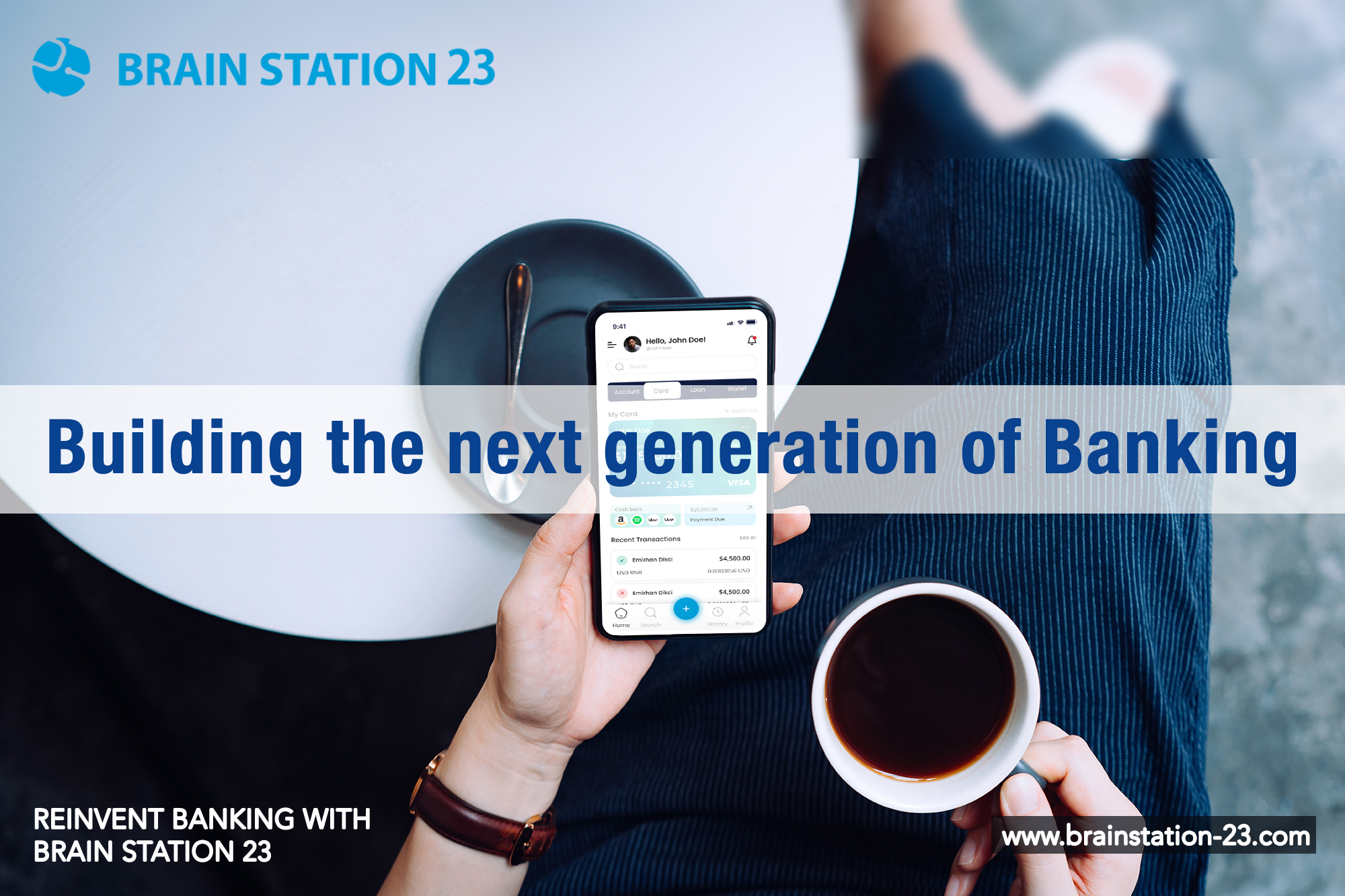
You’re sitting at your favorite café, coffee in hand, effortlessly managing your finances. With just a few taps on your phone, you pay bills, transfer funds, and even apply for a loan — all in seconds. It’s not just convenient; it’s empowering. This isn’t a far-off vision — it’s the reality of modern banking, powered by Gen-AI & Open-Source Technology. And it’s reshaping the way we interact with money.
But what makes open-source technology so essential to the future of banking? Let’s explore.
Escape Legacy Systems: Embrace Agile Banking Today
For decades, traditional banks relied on outdated systems — slow, costly, and unable to keep pace with the digital age. Think of the frustration caused by delayed transfers, clunky apps, or steep fees just to access your funds. These legacy systems, built for a pre-digital world, no longer serve today’s tech-savvy customers.
Banks now face a critical choice: adapt or fall behind. To stay relevant, they need fast, flexible, and cost-efficient solutions.
This is where open-source platforms like Apache Fineract come in. These systems empower financial institutions to move beyond limitations, integrating everything from digital wallets to neo-banks, while building secure, interconnected ecosystems.
Our Success: We’ve already implemented Fineract-based solutions for private banks managing retail and corporate banking, achieving a 100% success rate. These systems not only modernize operations but also ensure banks are equipped for future challenges.
Why Open-Source Technology is Redefining Banking
The question isn’t “Why open-source?” It’s “Why not?” In a world where technology drives every interaction, open-source platforms are revolutionizing banking for several compelling reasons:
1. Customization and Scalability
Open-source platforms adapt to unique needs. For example, in Kenya, M-Pesa — built on open-source technology — offers financial services to over 50 million users, transforming lives by providing secure, accessible banking solutions.
We’ve brought similar innovation to life with our nano-lending solution, which includes features like credit scoring, loan applications, and repayment tracking — all tailored to client needs.
2. Cost Efficiency
Maintaining traditional banking systems is expensive. Licensing fees, upgrades, and maintenance eat away at budgets. Open-source platforms eliminate these costs, allowing banks to reinvest in innovation.
The Impact: McKinsey estimates that adopting open-source systems can reduce operational costs by up to 30%, freeing resources for customer-focused solutions.
3. Collaboration and Innovation
Open-source thrives on global collaboration. Developers worldwide contribute to these systems, ensuring continuous innovation. With cutting-edge technologies like AI and blockchain shaping the financial ecosystem, open-source platforms are always ahead of the curve.
4. Enhanced Security
Contrary to misconceptions, open-source platforms are among the most secure. Their code is constantly reviewed and improved by a global community, ensuring vulnerabilities are addressed swiftly. This dynamic, peer-reviewed model offers robust security banks can trust.
Real-World Transformations: Open-Source in Action
Open-source systems aren’t just concepts — they’re delivering results worldwide.
N26: The Neo-Bank Revolution in Europe
Germany’s N26 leveraged open-source technology to build a digital-first infrastructure. Their app-first approach serves customers across 25 countries, offering seamless, tech-driven banking.
ZestMoney: Expanding BNPL in Asia
In India, ZestMoney uses open-source systems to provide Buy Now, Pay Later (BNPL) services to millions, bridging the credit gap for unbanked populations.
M-Pesa: Financial Empowerment in Africa
With over 50 million users, M-Pesa exemplifies how open-source platforms can empower communities. From sending money to accessing credit, M-Pesa has revolutionized banking in Africa, proving the scalability and impact of open-source technology.
Our Vision: The Future of Banking
At Brain Station 23, we believe the future of banking isn’t just about transactions — it’s about building ecosystems that empower everyone. Here’s how open-source is driving the next wave of innovation:
- Digital Wallets: Enabling secure, instant transactions for individuals worldwide.
- Neo-Banks: Delivering app-first experiences tailored for the modern customer.
- Engagement Banking: Using AI to provide personalized, meaningful interactions.
- Lending Solutions: Scaling nano-loans, BNPL, and digital credit to reach underserved markets.
Our micro-finance solution, already implemented by Apon, showcases this vision. By offering seamless eKYC, credit scoring, and flexible repayment options, we’re making financial services accessible to those who need them most.
Ready to Reinvent Banking?
As Markus Ewald, an expert in open-source banking, aptly said:
“The future of banking isn’t just about providing services — it’s about creating ecosystems where everyone, from individuals to institutions, can thrive.”
The transformation is already underway. Open-source platforms are enabling banks to innovate, reduce costs, and deliver exceptional customer experiences.